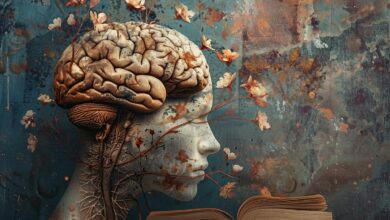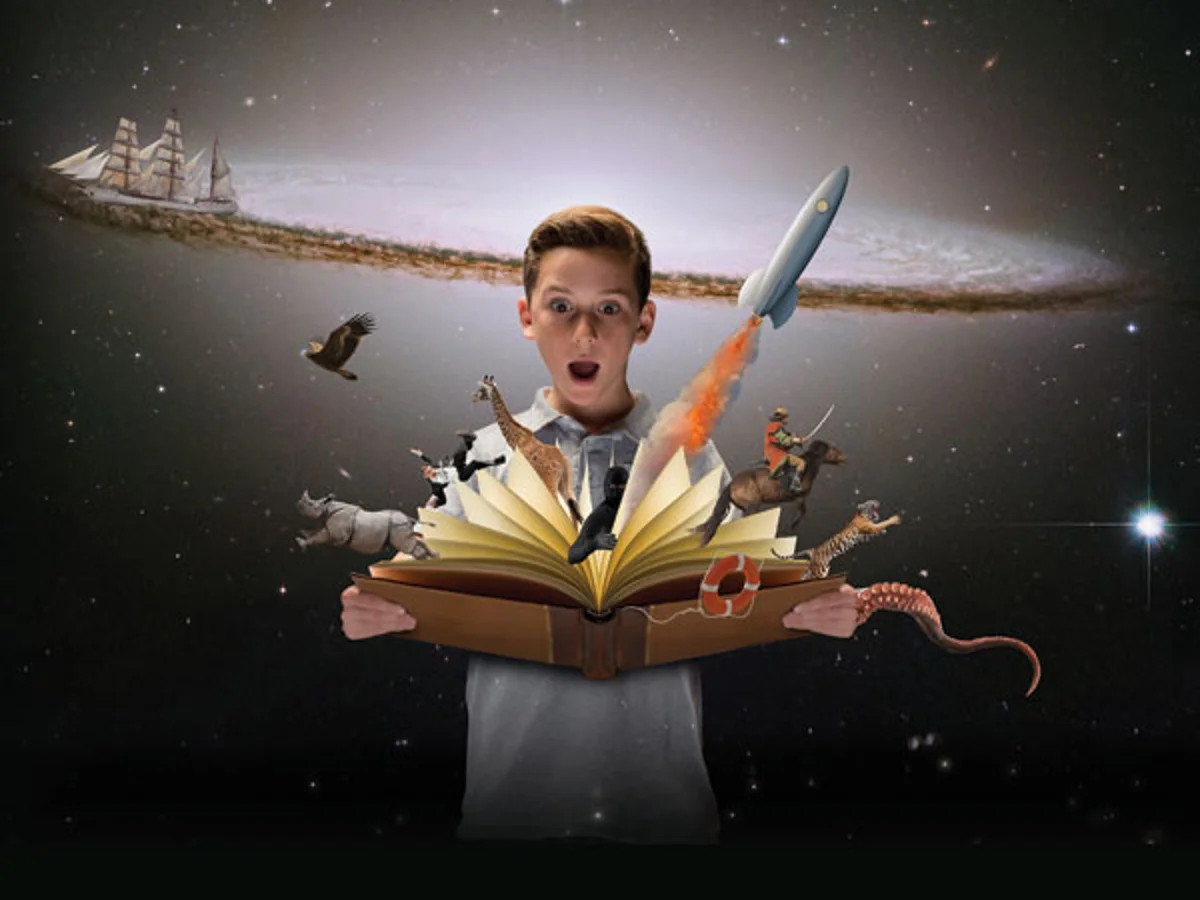
In a world filled with screens, notifications and fast-moving entertainment, children’s fantasy books continue to hold a special place in young readers’ hearts.
From magical creatures and enchanted forests to brave heroes and unforgettable adventures, fantasy stories encourage imagination, creativity and emotional growth in ways few other genres can.
Research from Australia Reads found that 74% of children believe reading fiction helps them better understand the world around them.
Meanwhile, studies also show that children who regularly read for fun develop stronger literacy and comprehension skills over time. (Australia Reads)
Fantasy books are especially powerful because they transport children into worlds where anything feels possible.
Whether it is unicorns, dragons, talking animals or magical kingdoms, these stories inspire curiosity while helping children build empathy, resilience and confidence.
The Power of Imagination in Childhood
Fantasy stories allow children to dream beyond everyday life. When young readers follow a character through magical lands or impossible challenges, they learn to think creatively and solve problems in new ways.
According to the National Library of Australia, fantasy literature encourages children to explore quests, adventures and imaginative journeys that support emotional and intellectual development. (National Library of Australia)
Reading fantasy can help children:
- Develop creativity and storytelling skills
- Build emotional understanding and empathy
- Improve vocabulary and reading confidence
- Reduce stress through immersive reading
- Encourage independent thinking and curiosity
Parents and teachers often notice that fantasy books become the gateway to lifelong reading habits because children become emotionally invested in characters and magical worlds.
Why Fantasy Books Are So Popular Among Young Readers
Fantasy remains one of the most loved genres among children and teenagers. Recent research from Deakin University found that fantasy, mystery and adventure stories continue to rank among the favourite genres for young readers. (Deakin University)
One reason fantasy books remain popular is because they offer both excitement and comfort. Children enjoy escaping into imaginative worlds while still learning meaningful lessons about friendship, courage and kindness.
Popular themes in children’s fantasy books often include:
Friendship and Teamwork
Many fantasy stories centre around groups of friends working together to overcome challenges. These stories teach cooperation, trust and loyalty.
Courage and Self-Belief
Fantasy heroes are often ordinary characters who discover hidden strengths. This helps children understand that bravery is not about being fearless — it is about continuing despite fear.
Magical Worlds and Creatures
From unicorns and dragons to enchanted forests and secret kingdoms, magical settings spark wonder and inspire imaginative play beyond the pages of the book.
How Reading Supports Child Development
Reading regularly has long-term educational benefits. The Australian Institute of Health and Welfare reported that children who are regularly read to from an early age show stronger language and literacy development. (AIHW)
Fantasy books are particularly effective because they encourage children to visualise scenes, predict outcomes and engage deeply with storytelling.
Some major developmental benefits include:
- Stronger reading comprehension
- Expanded vocabulary
- Better concentration
- Improved communication skills
- Greater emotional awareness
Studies also suggest that children who enjoy reading for pleasure are more likely to perform better academically throughout their schooling years. (Scholastic)
Choosing the Right Fantasy Books for Children
Not every fantasy book suits every age group, so choosing stories that match a child’s interests and reading level is important.
Here are a few tips for parents and educators:
Look for Engaging Characters
Children connect strongly with relatable characters. Stories featuring humour, kindness and adventure often keep young readers engaged longer.
Encourage Independent Choice
Research shows that children are more enthusiastic about reading when they choose their own books. (Australia Reads)
Mix Adventure with Positive Themes
The best children’s fantasy books balance excitement with positive life lessons about friendship, honesty and perseverance.
Include Illustrated Titles for Younger Readers
Illustrated fantasy books can make reading less intimidating for younger children while still encouraging imagination and storytelling skills.
One beloved example is thelma the unicorn, a fun and colourful story that combines humour, fantasy and important lessons about self-acceptance and staying true to yourself.
Why Physical Books Still Matter
Even in the digital age, many children still prefer printed books. Research found that 73% of teen readers preferred physical books over digital formats. (Deakin University)
Physical books provide a more immersive and distraction-free reading experience. Turning pages, viewing illustrations and building a personal bookshelf can help children develop a stronger emotional connection to reading.
Reading together as a family also creates meaningful bonding opportunities and encourages healthy routines away from screens.
Encouraging a Lifelong Love of Reading
Creating strong reading habits early in life can positively influence a child’s confidence, creativity and academic future. Fantasy books are especially valuable because they transform reading into an exciting adventure rather than a chore.
Parents can encourage reading by:
- Creating a cosy reading space at home
- Visiting local libraries and bookstores
- Reading aloud together regularly
- Allowing children to choose books that interest them
- Talking about stories and favourite characters
Fantasy stories continue to inspire generations of readers because they remind children that imagination has no limits. Whether it is a magical unicorn, a hidden kingdom or a brave young hero, these stories help young minds dream bigger, think creatively and discover the joy of reading.