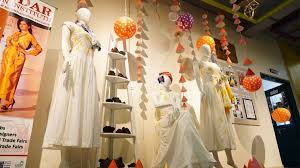
Apart from being a political and cultural powerhouse, Delhi, the busy capital of India, is also a major hub for the fashion and textile sector. Of the many varieties of textiles Delhi is especially adept at producing, kurtis are especially important. Popular among women of all ages, these flexible garments have evolved from traditional ethnic wear into trendy attire fit for everyday use. Kurti Manufacturers in Delhi has had amazing growth over the last twenty years, therefore transforming the city into a hub for the production of premium clothing. Having stated that, how was this change made? More research reveals a unique mix of features including history, craftsmanship, accessibility, and creative market knowledge.
The Basis Of This Tradition Is Textile History
Throughout time, industrialisation and access to world markets both helped to build this basis. Delhi has already developed a strong ecosystem for the manufacturing of ready-made clothing at the start of the twenty-first century. With its adaptability and general appeal, the kurti was only natural to become the centre point.
The current knowledge base in sewing, dying, and decorating allowed manufacturers to grow their operations more quickly. Many local artisans who had formerly focused on sarees and lehengas changed their attention to kurti production as they realised that kurti making was more profitable for both domestic and foreign markets. This was a cultural change as much as an economic one. This underlined Delhi’s ability to embrace change while still preserving its architectural sense.
Both The Location And The Infrastructure Have Strategic Importance
One cannot understate the degree of Delhi’s geographical advantage. Location is yet another element influencing its growth. These sites include a broad spectrum of firms, from small-scale businesses to large export corporations. Shared infrastructure—which included dyeing facilities and embroidery workshops—was one of the elements driving effective production cycles. This guaranteed consistency of quality and helped to save overhead expenditures.
Highly Skilled Workers With Craftsmen’s Expertise
Another crucial element influencing Delhi’s standing in the kurti manufacturing sector is the availability of skilled workforce. From all around India, tailors, designers, embroiderers, and finishers come to work in this town. This wealth of various cultural knowledge draws together regional techniques and styles, therefore producing kurtis not just of excellent quality but also rich in design variance.
The appeal of kurtis depends much on their workmanship. Modern products by Delhi-based kurti manufacturers typically use traditional forms of handicraft such as chikankari, mirror work, gota patti, and zari embroidery. This mix of modern aesthetics and traditional elements has elevated the kurti to the level of a fashion statement, which has made Delhi’s products much sought after on the Indian and foreign markets.
Included Are Ideas In Design And Technology
The success of the fashion industry depends on innovation, so Delhi has been able to maintain current by making technological and creative investments. Many kurti designers in the city work for different companies. These teams create seasonal collections in line with changing market trends and track such developments. Digital design tools, computer-aided pattern development, and automated technologies for cutting fabric have resulted in improvements in accuracy and efficiency as well as others.
Simultaneous acknowledgement of the significance of handwork and classical details is shown in a parallel trend. Many companies find a balance between handmade decorations and mechanised manufacture to ensure that the essence, or cultural identity, of the kurti is kept even in industrial production.
Furthermore, Delhi’s closeness to design institutes like the National Institute of Fashion Technology (NIFT guarantees a constant flow of fresh ideas and designers with different points of view). Young designers and manufacturers working together sometimes produce edgy and contemporary designs appealing to a younger demographic without offending traditional customers.
Possibility Of Exports And Development Motivated By The Market
One of the most important elements helping Delhi to become a kurti manufacturing powerhouse is its close connection to the needs of the market. Whether they are serving middle-class Indian ladies searching for daily wear or boutique consumers wanting personalized designer kurtis, Delhi makers have demonstrated a great degree of suppleness in addressing a broad variety of client needs.
Furthermore, greatly contributing to development is the requirement of exports. The global Indian diaspora, particularly in countries such the United States of America, the United Kingdom, Canada, and Australia, greatly fuels the need for premium ethnic apparel. Since they can produce in great volumes without compromising the degree of accuracy in their goods, Delhi-based companies are in an excellent position to serve this market. Many exporters, especially with regard to e-commerce platforms, have developed long-term alliances with businesses situated abroad.
The rise of digital commerce has resulted in even another increase in market reach. Apart from independent e-commerce sites, Kurti makers in Delhi have embraced e-commerce platforms such Amazon, Flipkart, and Myntra, therefore allowing their designs to be accessible to consumers all across the globe. Their ability to fit digital marketing, influencer relationships, and fast fashion cycles has helped them to remain relevant in a retail industry continually evolving.
The Role Of Micro, Small, And Medium-Sized Businesses Regarding Government Projects
The foundation upon which Delhi’s manufacturing sector is constructed are micro, small, and medium firms, or MSMEs. These centres not only provide a stage for business and creativity but also employment chances for thousands of individuals. What distinguishes micro, small, and medium-sized businesses (MSMEs) from other companies is their capacity to rapidly modify production volumes and styles in response to changing customer tastes.
Over the years, the government has carried out many initiatives meant to support this sector. Local businesses have been able to raise their capacity by means of initiatives like subsidised loans, skill-building programs, and infrastructure development. By means of government-funded textile expos and trade fairs attended by Delhi-based producers, they also get the chance to showcase their products to an audience worldwide.
Organisations like the Ministry of Textiles and the apparel Export Promotion Council (AEPC) have been constantly trying to highlight Delhi’s garment industry, particularly in relation to exports. Kurti manufacturers are sure to gain both financial and technical support with this sort of institutional backing so they may grow sustainably.
Growing Popularity Of Boutique Brands And Private Label Manufacturing
Mass production still plays a major role in Delhi’s economic system, although the number of boutique manufacturing companies has concurrently grown. Many young entrepreneurs today are collecting premium fabrics, working with designers focused on niches, and producing limited-edition kurtis targeted for upscale consumers. This style has brought fresh dimensions into the fashion scene of the city.
Another idea becoming more and more interesting is private label production. Many fashion businesses from all across India and the globe contract plants in Delhi to make kurtis. These agreements help companies to maximise Delhi’s production capacity and safeguard their control over design and marketing. Given their trustworthiness and craftsmanship, Delhi’s manufacturers are the most sought-after choice when it comes to these sorts of alliances.
Regarding Sustainability And The Future
Several kurti makers in Delhi are working to make their production more ecologically friendly as the idea of sustainability becomes increasingly vital in the fashion business. The sector is progressively using eco-friendly techniques like natural dyes and organic fabrics as well as cutting processes to help to reduce waste.
Furthermore, the problem of equitable work practices is becoming more and more important. Leading manufacturers now give their staff safe working conditions, fair compensation, and social security benefits, thereby guaranteeing that production is carried out in an ethical way.
Looking forward, the kurti making company in Delhi seems to have a great one. Delhi is well-prepared to keep its top position in this industry because of its strong basis in workmanship, ability to expand operations, and awareness of world fashion trends all of which help to support each other. Constant government backing, technological innovation, and a sustainability emphasis will help to further enhance its posture on the world scene.
Conclusion
Delhi’s historical background, strategic infrastructure, gifted workforce, and market-driven mindset help to explain its rise as a hub for the Kurti Manufacturers in Delhi are of outstanding quality. This statistic, which credits the city, shows adaptability, cultural richness, and an entrepreneurial drive. Leading the fashion scene, Delhi is ready to create craftsmanship that honours past as well as modern. It is projected that this need for stylish but comfortable ethnic clothes will keep growing constantly. Whether it’s a regular cotton kurti or a fancy piece decorated with hand embroidery, there is a high chance it started on the crowded streets of India’s capital.